Fathyma: Adding Handwritten Elegance to Digital Designs
In a world saturated with uniform digital type, the desire for a personal, artful touch remains strong. Whether you’re crafting a wedding invitation that feels genuinely heartfelt or a business logo that conveys bespoke craftsmanship, the choice of font is a critical design decision. This is where elegant script fonts like Fathyma enter the picture, offering designers and creators a sophisticated tool to bridge the gap between digital efficiency and handwritten charm.
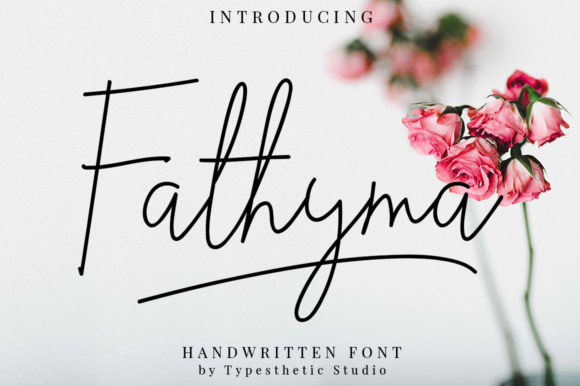
Fathyma is a stylish script font characterized by its graceful flow and refined aesthetic. Its lines are smooth, its baseline naturally varies, and it possesses a collection of gorgeous glyphs and stunning alternates. Unlike many rigid digital fonts, Fathyma mimics the organic rhythm of actual handwriting, bringing warmth and personality to projects that might otherwise feel coldly mechanical. For anyone looking to imbue their work with elegance, authenticity, or a sense of curated beauty, understanding the capabilities of a font like Fathyma is a practical step toward better design outcomes.
The Practical Advantages of a Versatile Script Font
At first glance, a beautiful font might seem like a purely aesthetic choice. In practice, however, a well-designed script font like Fathyma solves specific problems and enhances efficiency for a wide range of users. Its primary value lies in its ability to consistently deliver a high-end handwritten look without the unpredictability of actual penmanship. This translates into several tangible benefits.
For professionals and small business owners, time is a precious resource. Designing a logo, a set of business cards, or promotional materials can be a time-intensive process. Fathyma provides a ready-made elegant voice. Instead of spending hours trying to create a custom handwritten logo or sourcing a calligrapher, you can achieve a comparable level of sophistication with a few clicks. This efficiency supports branding consistency—you can use the same elegant font across your website headers, social media graphics, and printed stationery, creating a cohesive and professional identity.
Creators, bloggers, and publishers often seek to elevate the presentation of their content. A blog post featuring a poignant quote rendered in Fathyma, or a ebook cover with a title set in its graceful script, immediately feels more curated and intentional. This improved presentation can strengthen communication, making key messages more memorable and emotionally resonant for the audience. It’s a simple change that carries significant weight in how content is perceived.
Unlocking Creative Flexibility with PUA Encoding
A technical feature that directly supports user empowerment is Fathyma’s PUA (Private Use Area) encoding. For those unfamiliar with font technology, this might sound complex, but its benefit is straightforward and user-focused. PUA encoding means that all the special glyphs, swashes, and alternate characters are built into the font file and are accessible through most standard design software without requiring additional plugins or tricky workarounds.
This is a practical advantage for freelancers and hobbyists who may not be expert typographers. You can easily access alternative letterforms to tailor a word’s appearance. For instance, when designing a wedding invitation with the names “Anna” and “Robert,” you might want a distinctive, swash-filled capital ‘A’ for Anna and a simpler one for the word “and.” With Fathyma’s accessible alternates, you can make these nuanced choices easily, giving you creative control without technical frustration. This simplifies design decisions and supports specific creative goals, allowing you to tweak the font’s personality to suit the exact mood of your project.
Where Fathyma Excels: Real-World Use Cases
Connecting these benefits to concrete scenarios helps illustrate the font’s value. Consider the ubiquitous need for wedding invitations. This is a domain where emotion, tradition, and personal style converge. A font that is too rigid can feel impersonal; one that is too casual might lack elegance. Fathyma’s varying baseline and smooth lines offer a perfect middle ground—it looks intentionally crafted and beautiful, providing the dignified touch many couples seek, while still feeling personal and warm. It saves the couple or designer from the cost and logistics of hiring a calligrapher for each invitation, while delivering a result that guests will appreciate.
Similarly, in the realm of small business branding, a cafe, boutique, or wellness studio might want to communicate artistry, care, or luxury. Using Fathyma for a logo or on thank-you cards reinforces these values visually. It signals that the business pays attention to details beyond the functional transaction. For entrepreneurs, this can be a subtle yet effective way to differentiate their brand in a competitive market.
Even for personal projects, like creating framed quotes for home decor or designing unique greeting cards, Fathyma provides a tool to produce results that look professionally designed. This empowers hobbyists to create gifts or personal items with a level of polish they might not achieve otherwise, supporting both creativity and the goal of making something truly special.
Who Benefits Most from Choosing Fathyma?
The audience for a font like Fathyma is broad, but certain groups will find its attributes particularly aligned with their needs. Graphic designers and freelancers constantly need versatile assets that offer both beauty and utility. Fathyma becomes a reliable part of their toolkit for projects requiring elegance. Marketers and content creators aiming to elevate their visual content will use it to add sophistication to key graphics. Educators designing certificates or presentation materials might employ it to add a formal, celebratory touch.
Perhaps most notably, individuals who are not professional designers but who undertake design tasks—the small business owner making their own flyer, the blogger formatting their own ebook, the couple designing their own wedding suite—gain immense value. Fathyma gives them access to high-end typographic results without requiring deep technical expertise. It democratizes a level of design quality that was once harder to achieve.
Considerations and Finding the Right Fit
While Fathyma offers distinct advantages, thoughtful design always involves matching the tool to the task. Its elegant, flowing script style is ideal for decorative purposes, headlines, logos, and short text blocks. It is not typically suited for long paragraphs of body text, as its intricate forms can become difficult to read in dense passages. Users should consider pairing it with a simpler, highly legible sans-serif or serif font for any extended reading material.
Furthermore, the emotional tone of Fathyma leans toward refinement, celebration, and artistry. It would be an excellent choice for a luxury brand announcement but might feel less appropriate for a technical manual or a minimalist, brutalist design aesthetic. Comparing it to other script fonts is also wise—some scripts are more casual, some more dramatic. Assessing the specific needs of your project will determine if Fathyma’s particular blend of stylish elegance and practical accessibility is the perfect fit.
In essence, Fathyma is more than just a pretty typeface. It is a functional design asset that combines aesthetic appeal with user-friendly features like PUA encoding. It helps save time, supports creative expression, strengthens brand communication, and improves the perceived quality of a wide array of projects. By offering a reliable path to handwritten elegance, it allows professionals, entrepreneurs, and creators to focus on their message and vision, trusting that their typography will carry it with grace and style.