Evaluating the Melyana Script for Your Design Projects
In the world of typography, selecting the right font is a foundational design decision. For those seeking a sophisticated yet approachable handwritten aesthetic, Melyana presents itself as a notable option. This article provides a balanced evaluation of the Melyana script font, examining its characteristics, potential applications, and key considerations to help you determine if it aligns with your specific project needs and goals.
What Is the Melyana Script?
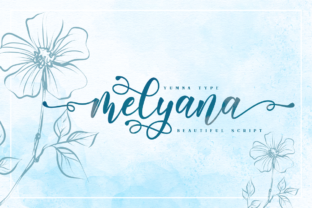
Melyana is a digital font described as a soft, hand-lettered script. It falls within the category of modern calligraphic typefaces, designed to emulate the fluidity and personality of handwritten text while maintaining the consistency and scalability of a digital font. Its defining characteristics typically include gentle curves, varying stroke weights, and a generally elegant demeanor. The design intent behind fonts like Melyana is to bridge the gap between organic artistry and professional design utility.
Core Attributes and Typical Use Cases
The style of Melyana suggests it is crafted for projects requiring a touch of personal elegance. Common applications highlighted for such scripts often include wedding invitations, branding elements like logos and labels, signature styling for personal or business use, and prominent headings in both print and digital media. Its "soft" description implies a less formal, more friendly quality compared to rigid traditional scripts, potentially making it suitable for a wider range of contemporary design contexts.
Reasons for Considering Melyana
Designers and project creators might evaluate Melyana for several practical reasons. A primary driver is the need for a cohesive handwritten look without the time investment or inconsistency of actual manual lettering. A quality script font provides a reusable asset that ensures visual uniformity across various materials. Furthermore, the modern soft aesthetic of Melyana could appeal to those aiming to convey warmth, creativity, and a tailored personality in their work, which is often sought in markets like bespoke products, lifestyle branding, and event design.
Another consideration is versatility within a specific stylistic niche. A font that performs well across applications—from a large logo to small label text—can streamline a design system. If Melyana maintains readability at different sizes and includes a robust character set (including alternates, ligatures, or multilingual support), its utility increases significantly, offering more value for a single investment.
Benefits, Tradeoffs, and Practical Expectations
Integrating a script font like Melyana into a project carries distinct benefits and inherent tradeoffs that must be weighed.
Potential Benefits
- Elevated Aesthetic: A well-crafted script can instantly add a perceived level of craftsmanship and elegance to a design.
- Emotional Connection: The handwritten style can foster a sense of personal touch and human connection, which is valuable in many consumer-facing contexts.
- Design Efficiency: It provides a scalable, editable solution for achieving a calligraphic look, far faster than hand-drawing each instance.
Important Tradeoffs and Considerations
- Readability Challenges: All script fonts, especially those with pronounced style, can suffer in readability when used for extended body text or at very small sizes. Melyana's suitability is likely strongest for decorative and display purposes.
- Style Specificity: Its modern soft style might not align with projects requiring a formal, authoritative, or minimalist tone. The font’s personality is a dominant feature.
- Technical Implementation: Success depends on proper use. Factors like letter spacing (kerning), line height, and pairing with complementary sans-serif fonts for body text are crucial for a professional outcome.
Practical expectations should include a thorough review of the font's actual specimen and feature list before acquisition. Testing it with your specific copy (company name, invitation wording, etc.) is essential to see how the characters interact. Expect to invest time in typographic adjustments to achieve the best result.
Situations Where Melyana May Be a Strong Fit
The Melyana script could be a particularly aligned choice for certain project types. These include:
- Wedding and Event Stationery: Where a soft, elegant, and personalized aesthetic is often the primary design goal.
- Boutique Branding: For small businesses, artisans, or lifestyle brands whose identity revolves around craftsmanship, beauty, and personal care.
- Decorative Headings and Highlights: In editorial design, website hero sections, or packaging where a stylistic flourish is needed for short text elements.
- Digital Signatures or Personal Logos: For individuals looking to create a consistent, stylish representation of their name online or in print.
In these scenarios, the font's personality becomes a direct asset, actively contributing to the intended message and audience perception.
When to Consider Alternatives
Despite its potential, Melyana may not be the optimal choice in every situation. Alternative fonts or typographic approaches should be considered when:
- Project Tone Differs: For corporate, technical, or starkly minimalist projects where a soft script could undermine the desired communication.
- Long-Format Text is Required: For paragraphs of body copy, a more readable serif or sans-serif font would be a necessary pairing or replacement.
- Budget or Licensing Constraints Exist: Some script fonts are premium offerings. If budget is limited, exploring other quality scripts or open-source alternatives might be prudent.
- Ultimate Versatility is Needed: If a single font family must perform across wildly different applications (from technical manuals to festive invitations), a broader typeface family with multiple styles (serif, sans, possibly a script variant) might offer more systemic flexibility.
Evaluating Other Options
The script font category is vast. Alternatives range from more formal traditional scripts to bold brush scripts or even casual handwritten sans-serifs. The key is to match the specific emotional tone and functional requirement. Comparing Melyana against other fonts by testing them with your actual project text in similar layouts will provide the most concrete evidence for selection.
Practical Decision-Making Insights
To determine if Melyana aligns with your goals, adopt a structured evaluation method. First, clearly define the emotional tone and functional requirements of your project. Is "soft, elegant, and modern" a core part of your brief? Next, acquire or view a comprehensive specimen of the Melyana font. Scrutinize its readability with your specific words, especially in the size and context you intend to use it most.
Pay close attention to technical details: the completeness of the character set for your language needs, the availability of stylistic alternates for customization, and the licensing terms for your intended use (commercial, web, etc.). Finally, consider it within your broader typographic system. What font will you pair with it for any necessary body text? Does it harmonize with your existing visual elements?
By moving beyond an initial aesthetic impression to a functional audit, you can make an informed decision. A font like Melyana is not merely a decorative choice; it is a functional tool that carries a strong personality. Its successful implementation depends on that personality being congruent with your project's purpose and its technical capabilities meeting your practical demands. This balanced approach ensures your typography supports—rather than merely decorates—your design objectives.