An Evaluation of the Teeny Tiny Script Font
In the expansive world of digital typography, script fonts offer a distinct avenue for adding elegance and personality to designs. Among these, Teeny Tiny stands out as a specific typeface that has garnered attention for particular applications. This article provides a balanced evaluation of the Teeny Tiny font, examining its characteristics, potential uses, and key considerations to help designers determine if it aligns with their project requirements.
What is the Teeny Tiny Font?
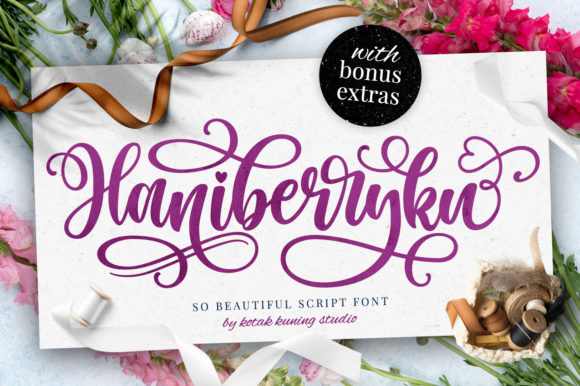
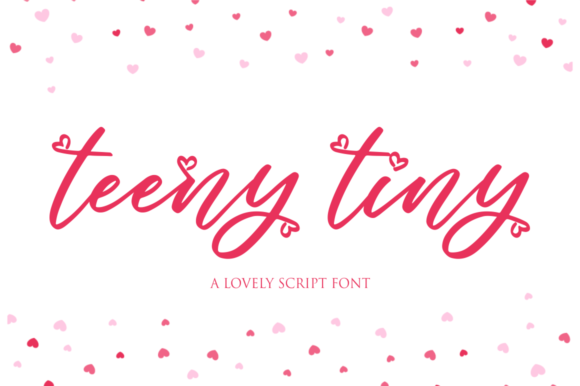
Teeny Tiny is a digital script font. It belongs to the category of typefaces that simulate cursive handwriting, characterized by flowing strokes and connected letters. The defining feature of Teeny Tiny is its aesthetic: it is designed with a beautiful and romantic look. This romantic quality is achieved through soft curves, delicate letterforms, and a generally graceful appearance. It is not a broad, generic script but a specific font with this particular visual identity.
Primary Use Cases and Potential Benefits
The romantic and beautiful look of Teeny Tiny makes it a strong candidate for projects requiring a touch of elegance and personal warmth. Its design intent aligns closely with certain niches.
Strong Fit Applications
- Wedding Invitations and Stationery: The romantic aesthetic of Teeny Tiny is directly applicable to wedding materials. It can provide a classic, heartfelt tone for invitations, programs, and place cards.
- Personalized Stationery Art: For custom greeting cards, thank-you notes, or decorative prints, Teeny Tiny offers a hand-crafted feel that can elevate personal stationery.
- Social Media Graphics: In contexts where eye-catching, visually soft content is desired, such for boutique brands, lifestyle influencers, or artistic announcements, Teeny Tiny can create distinct post graphics.
- Cute Greeting Cards: Beyond formal events, the font's charm suits designs for birthdays, anniversaries, or other celebratory cards aiming for a cute and beautiful presentation.
The potential benefit in these scenarios is the immediate conveyance of a specific mood—romantic, delicate, personal—without requiring custom illustration. It can serve as a ready-made tool to establish that tone.
Tradeoffs and Practical Considerations
While Teeny Tiny may be ideal for the above uses, a balanced evaluation requires an understanding of its limitations and the practicalities of working with a script font.
Legibility and Readability Concerns
All script fonts, including Teeny Tiny, typically prioritize style over supreme readability. Its delicate, connected letters may be challenging to read at very small sizes or in long paragraphs. This makes Teeny Tiny generally unsuitable for body text in documents, websites, or lengthy printed materials. Its use is best confined to prominent, short text elements like headlines, names, titles, or short phrases.
Contextual Appropriateness
The romantic look is a specific choice. Using Teeny Tiny for corporate reports, technical manuals, or stark minimalist designs would likely create a dissonant visual message. Its personality is not universally applicable.
Technical and Licensing Considerations
As a specific font, Teeny Tiny requires acquisition, often through a purchase or license from a font distributor. Users must ensure licensing covers their intended use (e.g., commercial projects). Additionally, script fonts can sometimes present technical challenges in certain design software, requiring attention to letter spacing and kerning to maintain the fluid appearance.
When Alternatives May Be Worth Considering
Evaluating Teeny Tiny involves recognizing situations where other typographic choices might be more effective.
- Need for High Legibility: For any text where clarity is paramount, such as instructional text, terms & conditions, or lengthy descriptions, a more legible serif or sans-serif font would be a necessary alternative.
- Different Brand Tone: Projects requiring a modern, bold, playful, or severe tone would not align with Teeny Tiny's inherent romance. Exploring other script fonts with different personalities or entirely different font categories would be advisable.
- Budget or Accessibility Constraints: If a project has strict budget limitations or requires use of freely available fonts, one would need to research alternative script or handwritten-style fonts that are open-source or included in standard software.
Decision-Making Insights for Readers
To determine if Teeny Tiny aligns with your goals, consider these practical questions.
- What is the Core Emotion of My Project? If the answer is romance, elegance, delicate charm, or personal warmth, Teeny Tiny merits consideration. If not, look elsewhere.
- How Will the Text Be Used? Is it for a short, decorative headline or name on an invitation? Or for paragraphs of text in a booklet? Confine Teeny Tiny to the former role.
- What is the Visual Context? Assess the other design elements (images, colors, layout). Does a romantic script font harmonize with them, or clash?
- Have I Reviewed the Font Specifically? Before finalizing a decision, it is crucial to view the actual Teeny Tiny character set, perhaps through a specimen from the vendor, to evaluate its exact letterforms, available glyphs, and how it renders in your intended size.
Ultimately, Teeny Tiny is a tool with a defined purpose. Its value is high for designers working within the specific niches where its beautiful, romantic script aesthetic is a direct match for the project's communicative needs. For those outside those niches, or where fundamental requirements like broad legibility take precedence, alternative fonts will provide a more suitable solution. By matching the font's inherent strengths to your project's concrete demands, you can make an objective and effective typographic selection.